

Being a veteran online casino fan, I performed a insightful test. I turned off JavaScript entirely and tried to navigate, sign up, and gamble at Casino Turbowin Slots Rtp. My goal was to assess its graceful degradation, a core web design principle securing functionality when key technologies break down. I found a stark view at modern web reliance. The dynamic platform I hoped for was substituted by a shattered digital shell. This experience emphasized how much we rely on seamless scripting for online recreation and what transpires when that framework is taken away. It was an eye-opening look at usability in a high-risk digital setting.
What Exactly Is Graceful Degradation and Why It Matters
Graceful degradation constitutes a vital design philosophy guaranteeing a website offers basic functionality even if advanced features like JavaScript fail. It is the digital equivalent of a building featuring a functional staircase if the elevator breaks. For an online casino, this could mean users can still access information or contact support if their browser is outdated. This approach is vital for accessibility and robustness. In a competitive industry, failing to cater to all potential users can mean lost revenue and major frustration, isolating players who opt for or require a simpler web experience.
The Core Principle of Progressive Enhancement
Closely linked is progressive enhancement, a strategy founded on a solid HTML foundation that works for everyone. Layers of presentation and behavior are then added for capable browsers. A well-built site using this principle would let me read all content and perform essential actions at TurboWin Casino without JavaScript. The experience might be less flashy, but the core journey should remain intact. This foundation-first approach is a technical commitment to inclusive user experience, ensuring no user is left behind due to their device or connection limitations.
Opening Observations: The Malfunctioning Homepage
Navigating to TurboWin Casino with JavaScript disabled presented a jarring initial visual. The animated banner for the welcome bonus was a static placeholder. The sophisticated navigation menu became a bare-bones list of links, many unclickable. The polished page layout devolved into a stripped-down, awkward column of stacked text and images. The site’s modern design clearly relied on client-side scripts to assemble itself dynamically. While the logo and some text were visible, the compelling atmosphere defining a casino’s appeal was utterly absent. The skeleton revealed was functional only in the most basic sense, lacking all engagement and visual appeal.
Navigational Hurdles and Dead Ends
Moving beyond the homepage was a lesson in frustration. Active features like game category filters or “Load More” buttons were inert. Selecting a game thumbnail produced no result, as the handlers and loading logic were JS-based. The site search function was fully non-functional. I was able to locate static pages like “About Us” via basic HTML links. However, key paths to gameplay and account management were brick walls. This produced a frustrating loop where I saw references to engaging content but had no functional means to access it.
The Account Access Barrier
The biggest barrier was account access. Both login and registration forms did not display correctly. Modern forms use JavaScript for form verification, password toggles, and instant responses. Without it, the forms either did not appear or were so dysfunctional that submission was unfeasible. This one critical flaw highlighted a major issue. A potential player with JavaScript blocked for security would be entirely incapable to create an account. It was the final roadblock, converting the casino’s gateway into an impenetrable barrier before the journey could even begin.
Game Availability: A Invisible Library
TurboWin Casino’s game library, its crown jewel, was a phantom. The lobby, depending on JavaScript to load titles, showed only blank containers or temporary text. No thumbnails rendered, and categorization was broken. Even with a direct link, most modern casino games are built with JavaScript frameworks and would not launch. The core product was one hundred percent inaccessible. Graceful degradation here was missing; there was no alternative to static game descriptions or alternative play modes. The entire appeal of the casino disappeared, leaving only a hollow shell where entertainment should be.
Promotions and Deals: Lost in Translation
Bonus pages experienced a comparable fate. While text-heavy terms were readable, dynamic sections outlining offers and claim buttons were broken. Live leaderboards and countdown timers were stuck or missing. The marketing engine crafted to attract and engage was muted. A user could view a plain-text version of a bonus but any action to trigger it was blocked. The mismatch between information and action was total, making promotions purely informational rather than usable. This disruption cuts the vital link between player interest and action.
Support Service: A Ray of Optimism
Curiously, the most functional area was customer support. Fixed FAQ pages, being simple HTML, displayed and were fully readable. Contact information like email and physical addresses were visible. Nevertheless, any live chat widget was noticeably unavailable, as these rely on sophisticated JavaScript. The support contact form was typically broken. Thus, while a user could find an email address, the main real-time support option was offline. This was the best the site achieved in terms of graceful degradation, but it was the absolute minimum.
Mobile Usability: Even More Critical
Conducting the test on mobile yielded a unsurprisingly worse experience. Mobile sites commonly lean more heavily on JavaScript for adaptive layouts and touch interactions. The TurboWin Casino mobile site was virtually unusable. Menus failed to open, the viewport was misaligned, and text exceeded its containers. On a platform where users might have slower connections that can interrupt script loading, the lack of a fallback is a critical flaw. For a casino looking to capture players on the go, this represents a substantial vulnerability in service delivery.
Main Points for the Contemporary Player
My experiment emphasized a fundamental truth: modern web applications are constructed for the optimal, connected user. TurboWin Casino is built for performance, assuming JavaScript is a given. This presents a single point of failure. For players, the lesson is to ensure your browser is updated and scripts are enabled for trusted sites. For the casino, putting resources in basic HTML accessibility for critical paths could reach a wider audience. While the trade-off for cutting-edge features is comprehensible, a minimal fallback for core information would exhibit robust design and user-first thinking.
FAQ
What is graceful degradation in web design?
Graceful degradation is a development strategy where a website delivers full functionality using modern tech but remains fundamentally usable when those technologies fail. For a casino, it signifies you might still read information and perform basic tasks even though JavaScript is disabled, making sure no user is completely locked out.
Why was TurboWin Casino completely broken without JavaScript?
TurboWin Casino is a dynamic web application relying heavily on JavaScript for nearly all interactive functions: loading games, rendering menus, processing forms, and enabling live chat. Without it, the site fails to execute these core functions, resulting in only a bare HTML structure not designed for standalone use.
Can I actually play any casino games without JavaScript enabled?
No, you cannot play modern online casino games without JavaScript. The vast majority are developed using JavaScript-based technologies like HTML5 Canvas and WebGL. These games are complex software applications that function in your browser, and JavaScript is the essential engine that powers all their graphics and logic.
Does it happen often for online casinos to fail without JavaScript?
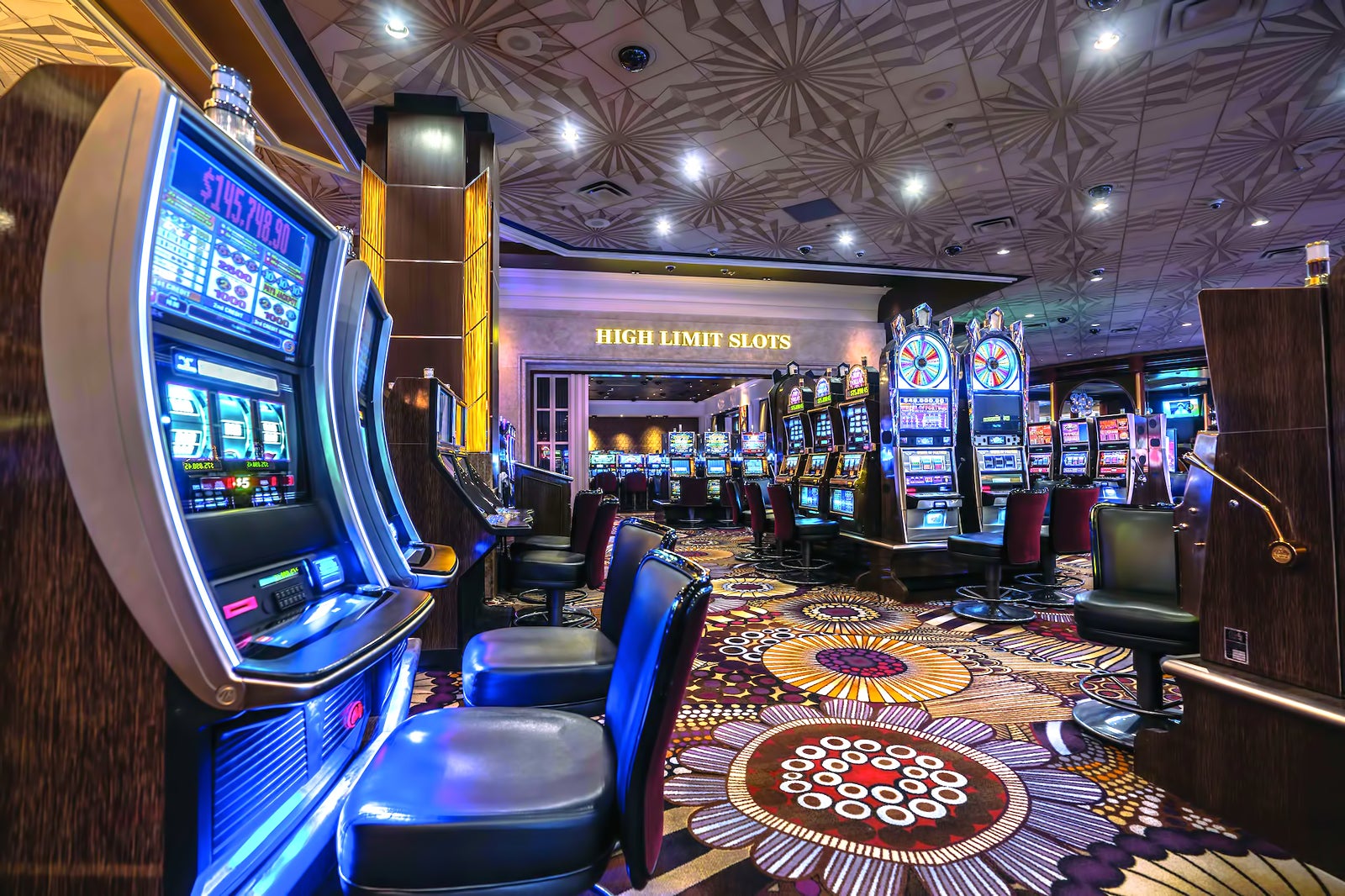
Absolutely, it is extremely common. The industry emphasizes immersive, interactive, and secure real-time experiences, delivered nearly exclusively via client-side scripting. Very few major casinos invest in a non-JavaScript fallback for gameplay, as their core target audience uses conventional, enabled browsers.
Can this influence users with slow internet connections?
Certainly. Slow or unstable internet can cause JavaScript files to fail to load or time out. This causes broken page elements like what I experienced, preventing access to features or even logging in. This is a major flaw for user retention in areas with poor connectivity.
How should I proceed if I encounter a broken casino site?
First, ensure JavaScript is enabled in your browser settings. Next, clear your browser cache and cookies, as corrupted files can cause script errors. As a final step, try updating your browser to the latest version. If problems persist, the issue is likely server-side, and you should contact support via other means like email.
Does this suggest TurboWin Casino is poorly built?
Not at all. It means the casino is built with a modern, JavaScript-first architecture, typical for delivering high-quality gaming. The lack of graceful degradation is a strategic choice, prioritizing cutting-edge features for the majority over accessibility for those with scripts disabled.
